




The Alchemy of Arrangement: How Home Objects Craft Joy
Furniture and décor are far more than functional items or aesthetic fillers. They are the silent, daily collaborators in our emotional lives. When chosen and arranged with intention, they possess a subtle yet profound power to elevate mood, soothe the spirit, and consistently spark moments of quiet happiness. This is not mere decoration; it is environmental psychology in practice.
The Foundations: How Our Surroundings Shape Us
Our brains are constantly processing our environment. A chaotic, dissonant, or purely utilitarian space can subconsciously signal stress and disorder. Conversely, a considered space sends cues for safety, calm, and pleasure. Furniture and objects act as the primary vocabulary of this nonverbal language.
Key Psychological Levers:
- Autonomic Nervous System: Soft textures, organic curves, and warm woods can subtly encourage the "rest and digest" parasympathetic state.
- Cognitive Load: A well-organized space with dedicated homes for belongings reduces mental clutter and the energy spent searching, freeing the mind for more rewarding pursuits.
- Embodied Cognition: We don't just see our surroundings; we feel them in relation to our bodies. A perfectly supportive armchair or a table at just the right height fosters a sense of physical ease and well-being.
The Elements of Emotional Design
Certain qualities in furniture and décor reliably contribute to positive feelings:
1. The Embrace of Texture
Sensorial richness is a direct pathway to comfort. The nubby weave of a chunky knit throw invites you to curl up. The cool, smooth surface of a marble side table offers a moment of calm contrast. The worn-in softness of a leather sofa tells a story of use and relaxation. Mixing textures creates a tapestry for the senses, preventing visual flatness and inviting touch.
2. The Narrative of Personal Objects
A room filled only with catalog-perfect items can feel impersonal and cold. The true spark of joy often comes from pieces with a story: the ceramic vase from a memorable trip, the artwork created by a friend, the bookshelf filled with well-loved novels. These objects are visual anchors to positive memories, identity, and connection, providing daily, subtle reminders of who we are and what we love.
3. The Harmony of Nature (Biophilic Design)
Incorporating natural elements is a potent mood booster. This goes beyond houseplants (though they are excellent). It includes:
- Materials: Furniture in solid wood with visible grain, stone accents, linen and cotton textiles.
- Forms: Shapes that mimic nature—an organic, free-form ceramic sculpture, a coffee table with a live edge.
- Light & Air: Arranging furniture to maximize natural light and a view, however small, to the outside world.These elements reduce stress, improve focus, and foster a sense of vitality.
4. The Delight of Color & Light
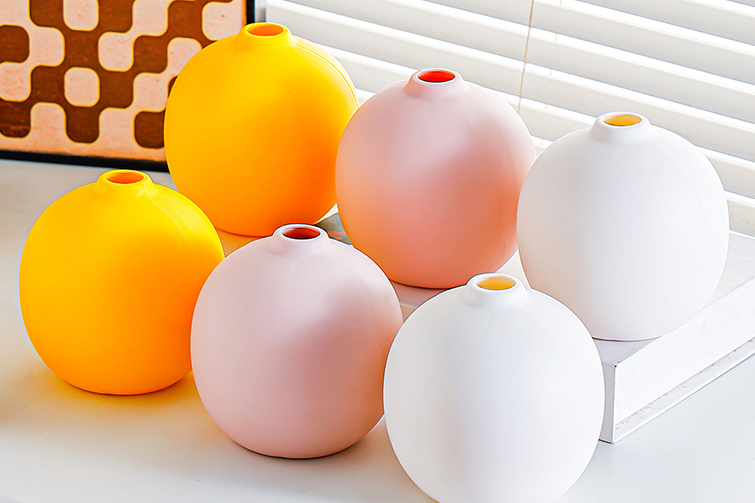
Color is emotion made visible. While personal preference reigns, soft, earthy tones (warm whites, sage greens, ochres) generally promote tranquility, while small, intentional accents of a joyful color (a sunflower yellow pillow, a cobalt blue vase) can energize a corner. Lighting is the essential amplifier. A room lit solely by a harsh overhead light feels stark. Layering light with a warm-glowing table lamp for ambiance, a focused task light for reading, and candlelight for evening creates a rhythm for the day and sculpts the space into inviting pools of warmth.
5. The Gift of Empty Space
Crucially, good design knows the value of emptiness. A cleared surface, a breathing space on a wall, an uncrowded floor around a piece of beautiful furniture. This negative space is not a lack; it is a visual exhale. It allows the eyes and the mind to rest, preventing overstimulation and making the objects you do cherish truly stand out and bring pleasure.
Curating Your Own Mood-Enhancing Space
You need not start from scratch. Begin with an audit of joy:
- Walk through your home. Which object, when your eyes land on it, makes you smile or feel calm? Feature it.
- What item feels like a chore, drains your energy, or holds a negative association? Remove or replace it.
- Identify one spot for a small, sensory upgrade: a velvet pillow for the chair you read in, a beautiful wooden tray to corral daily clutter, a small lamp with a warm bulb for your bedside.
Ultimately, the furniture and objects that bring us joy do so because they resonate with our personal sense of beauty, comfort, and meaning. They are the tangible manifestations of care for our own well-being. By mindfully shaping the stage of our daily lives, we gift ourselves an environment that doesn't just house us, but actively holds us, inspires us, and nurtures our happiness, day after day.